PV stand-alone systems - power supply without grid connection
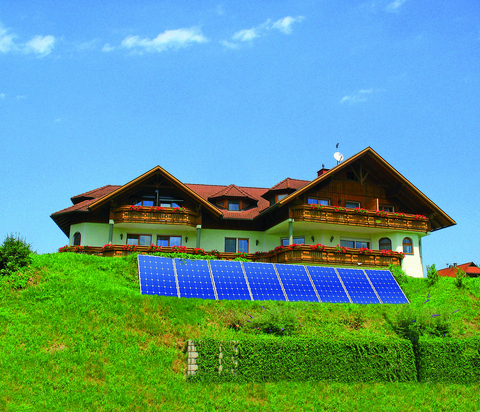
The basic purpose of stand-alone photovoltaic systems is to supply the system user with electricity even when there is no public electricity grid (e.g. in mountain lodges, gazebos, etc.).
Your special advantages and features
Charge controllers for a wide range of system sizes
Inverter power classes up to 15000 W
Inverters with 1-2 additional connections (e.g. generator)
Extensive control and display options
Well-designed kits for PV stand-alone systems
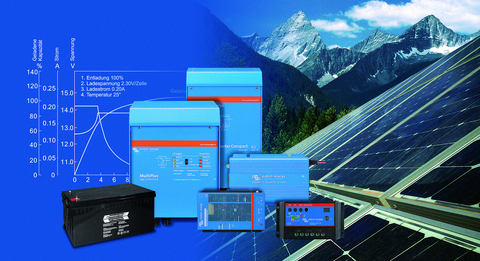
Product overview
A gift from heaven
Renewable energies and sustainability are essential topics of our time. Energy sources such as the sun, wind, water, biomass or geothermal energy can be used to generate electricity and heat in an environmentally friendly and future-oriented manner. Photovoltaic systems use the free, inexhaustible energy of the sun and can be installed and applied almost anywhere. The system sizes vary from the watt range to the megawatt range, meaning they adapt to the needs of all types of users and scenarios.
The energy irradiated by the sun varies regionally and also follows seasonal fluctuations, among other things. Electric appliances, however, need electric power also at times during which the solar generator can only provide little or no energy at all (e.g. at night or due to weather-related influences).
A photovoltaic module can only very rarely be connected directly to an electrical load or device. Therefore, the type and level of voltage must be adapted to the loads to be connected. The components used for this purpose can differ greatly depending on the application. The basic purpose of stand-alone photovoltaic systems is to supply the system user with electricity even when there is no public electricity grid (e.g. in mountain lodges, gazebos, etc.).
Thanks to their flexibility and the versatility of their areas of application, photovoltaic systems make an important and sustainable contribution to environmental protection. Usually, PV systems that are used to generate electricity and are not connected to the public electricity grid are referred to as stand-alone systems. Systems of this type are used when supply from an energy grid is not possible, desirable or profitable.
Usage examples
Small village power supplies, irrigation systems, weather monitoring stations, tourism businesses, transport lines, telecommunications, etc.
Future analyses confirm that the demand for renewable energies, especially for stand-alone photovoltaic solutions, is steadily increasing. On the one hand, because fossil fuels are finite, and on the other, PV systems score points for their versatility and flexibility.
Technical advancements reduce production costs, which in turn lowers the costs for consumers - another factor promoting this trend. In the mobile sector of miniature applications, more and more stand-alone PV systems are being used.